


Your skin gets sunscreen. Your eyes get... nothing? Most people slather on SPF before a beach day, then forget that the sun hits their eyes just as hard. And if you assume your colored lenses have your corneas covered, you may be running a risk you never signed up for.
The fact we'll talk about is simpler than it sounds: some colored contacts block UV, but plenty don't, and even the ones that do won't fully shield your eyes on their own. Confusing? It doesn't have to be.
By the end, you'll know:
-
Whether colored contacts actually block UV rays
-
The difference between Class 1 and Class 2 UV protection
-
Why lenses alone can't replace your sunglasses
-
How to check if a specific lens offers UV protection
-
What UV-conscious lens wearers should do differently
Quick note on where we're coming from: the team at Daring Eyes lives and breathes colored lenses, from natural everyday shades to bold statement looks. So we know this stuff inside out.
Do Colored Contacts Block UV Rays?
Short answer: some do, most don't. UV protection is a bonus feature built into certain lenses, not a default setting. So the pair sitting in your cart may block harmful rays, or it may let every last one of them through. It depends entirely on the lens.
Cosmetic and colored lenses are especially tricky here. Many are designed for looks first, with UV filtering treated as an afterthought or skipped altogether. If a lens doesn't specifically say it blocks UV, assume it doesn't.
How UV Blocking Actually Works
Lenses that do protect your eyes aren't coated in anything you can see or feel. UV-blocking contact lenses contain special compounds mixed into the lens material that absorb ultraviolet radiation before it reaches your eye. The protection lives inside the lens itself.
That design has one big upside. The protection is built into the lens itself so it does not wash out or wear away over time. You won't rub it off during cleaning, and it won't fade halfway through the lens's lifespan.
The Two FDA Classes You Should Know
The FDA sorts UV-blocking lenses into two tiers, based on how much radiation they filter. The difference matters more than most shoppers realize.
|
Class |
Blocks UV-A |
Blocks UV-B |
Best For |
|---|---|---|---|
|
Class 1 |
At least 90% |
At least 99% |
High-exposure settings: beaches, snow, open water |
|
Class 2 |
At least 70% |
At least 95% |
General everyday outdoor wear |
Class 2 blockers are better than not having any UV protection and are recommended for general environments. Class 1 filtering offers maximum protection, filtering at least 90% of UV-A and 99% of UV-B. If you spend real time outdoors, Class 1 is worth hunting for.
Pro tip: Don't confuse "tinted" with "UV-blocking." A lens can have gorgeous color and zero UV defense. The two features are completely separate, so check the label for one and never assume it implies the other.
Why Most Colored Lenses Skip It
Adding UV protection isn't a small tweak. For a contact lens to add this feature, a significant change would need to occur on the manufacturing floor, and an update to the FDA approval would be required. That's cost and paperwork many cosmetic brands simply don't take on.
So when you're shopping for a bold new shade, prioritize what the lens actually delivers: comfort, oxygen flow, FDA clearance, and honest labeling.
At Daring Eyes, every Bella lens carries FDA and CE approval, which means you get lenses vetted for safety and comfort, not mystery products with vague claims. When a lens is upfront about what it does and doesn't do, you can plan your sun protection with eyes wide open.
Class 1 vs Class 2 UV Protection
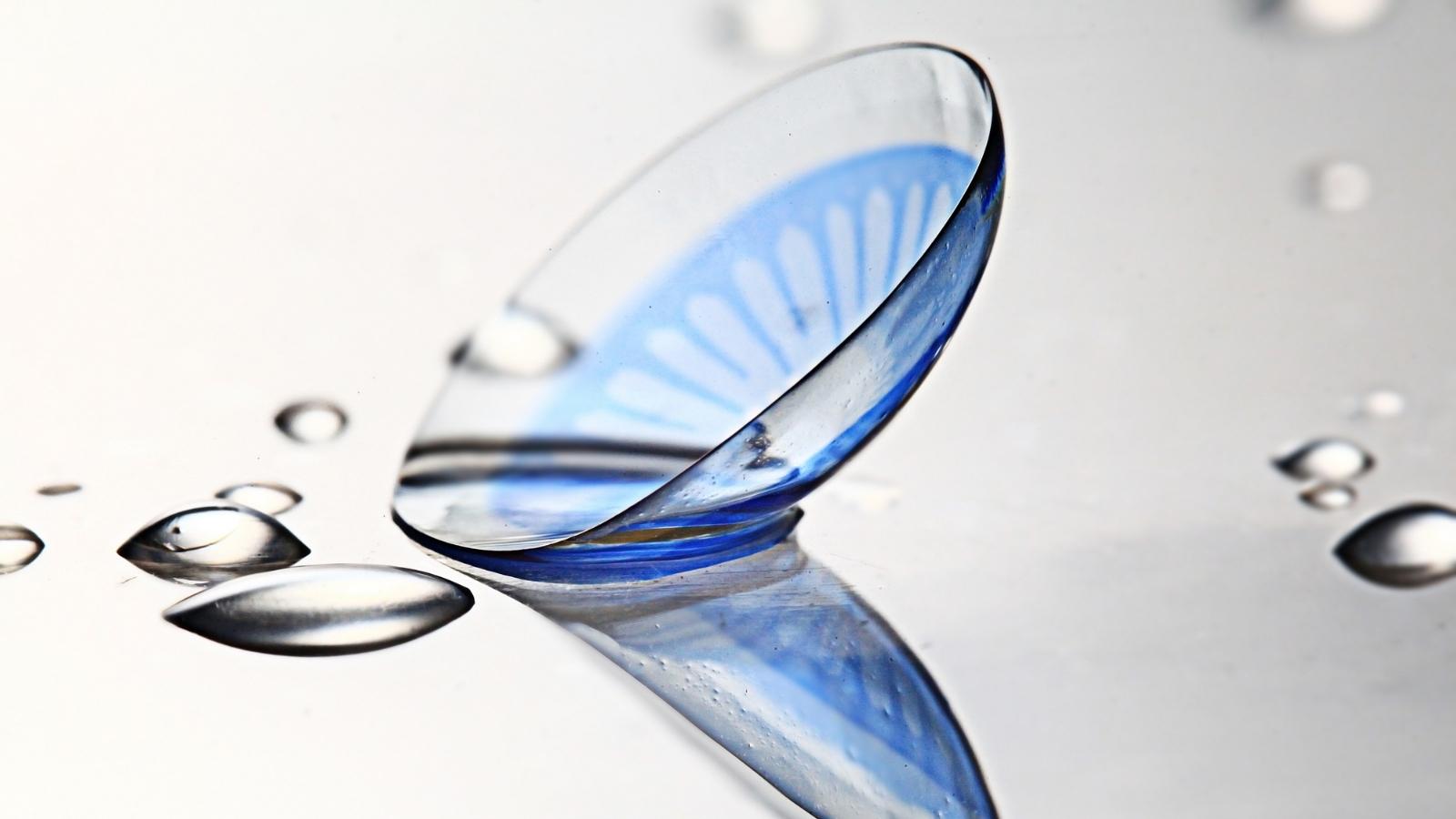
Both classes filter UV, but they don't play in the same league. The gap comes down to how much UV-A and UV-B radiation each one holds back before it reaches your cornea.
Class 1 is the heavyweight. These lenses block at least 90% of UV-A rays and 99% of UV-B rays, which makes them the go-to for anyone facing prolonged exposure. Class 2 offers strong, general-purpose defense, filtering at least 70% of UV-A and 95% of UV-B.
|
Feature |
Class 1 UV |
Class 2 UV |
|---|---|---|
|
UV-A blocked |
90% or more |
70% or more |
|
UV-B blocked |
99% or more |
95% or more |
|
Ideal setting |
Beaches, snow, open water |
Everyday outdoor wear |
|
Protection level |
Maximum available |
Solid baseline |
Which Class Fits Your Life
If your days involve sand, slopes, or water reflecting harmful UV light back at you, reach for Class 1 UV-absorbing contact lenses. For casual errands and short walks, Class 2 gives you an extra layer of defense over lenses with no filter at all.
Pro tip: A lens can offer bold cosmetic enhancement and UV-blocking technology, but the two features are unrelated. Beautiful color tells you nothing about UV defense. Always confirm the class separately.
Why Lenses Alone Can't Replace Sunglasses
Here's the catch most people miss. Even the best UV-absorbing contact lenses can't fully protect your eyes on their own, and the reason is simple geometry.
UV-blocking contact lenses only cover the cornea and pupil. That leaves the rest of your eye and the delicate skin around it wide open to harmful UV rays. Your eyelids, conjunctiva, and the surrounding skin get zero coverage from a lens.
The Exposed Zones
Think about everything a contact doesn't touch:
-
Eyelids and the surrounding area
-
The conjunctiva (the white of your eye)
-
The delicate skin framing your entire eye area
Those unprotected zones stay vulnerable to UV-induced conditions like cataracts, macular degeneration, and eyelid skin cancer. Chronic sun exposure there also fuels pterygium, the growth known as surfer's eye.
The Fix Is a Team Effort
This is why eye care professionals push a layered approach. To fully protect your eyes, pair your lenses with protective UV-absorbing eyewear built for the job.
Reach for UV-blocking sunglasses labeled UV400 or "100% UV protection." These block more than 99% of UV rays and shield your entire eye, plus the skin around it. Add a wide-brimmed hat to cut overhead sunlight, and you've got comprehensive protection that no lens can deliver solo. Our lens care guide walks through daily habits that keep your eyes comfortable alongside that routine.
How to Check a Lens for UV Protection
Never assume a lens blocks UV. Assume the opposite until the label proves otherwise. Most colored and daily disposable contact lenses skip UV filtering entirely, so verification is on you.
Four Quick Checks Before You Buy
-
Scan for the UV class.
-
Read the packaging claims.
-
Check for FDA clearance.
-
Ask an eye care professional.
The Non-Negotiable Step
One rule sits above the rest. Contact lenses should be prescribed and fitted by an eye care professional, whether you wear them for vision correction, astigmatism, or pure natural aesthetics.
A proper fitting protects your eye health, rules out irritation and blurred vision, and confirms the lens actually does what the box claims. If you're new to lenses, our beginner's guide to colored contacts covers the basics before you sit down with your doctor.
What UV-Conscious Wearers Do Differently
Smart wearers treat sun protection as a daily system, not a summer afterthought. A few habits separate them from the crowd.
Build a Year-Round Routine
UV radiation reaches your eyes on cloudy days and in winter, not just under a blazing July sun. UV protection is necessary year-round because harmful UV radiation slices through cloud cover with ease. Wear sunglasses every time you head out in daylight, even on cloudy days.
Layer Your Defenses
No single tool gives you full protection. The people who guard their vision best stack their eye protection:
-
UV-filtering lenses for the cornea (where available)
-
UV400 sunglasses for the entire eye and surrounding skin
-
A wide-brimmed hat for overhead UV light
-
Regular eye exams to catch early signs of sun damage
That combination shields you across the UV bands of the electromagnetic spectrum and lowers your long-term risk of cataracts and age-related macular degeneration.
Choose Lenses That Are Honest About Their Job
If your lenses are cosmetic, own that and build your sun defense around them. The Elite collection delivers natural eye color and all-day comfort for everyday wear, while bolder Diamond lenses handle dramatic transformations.
Both are FDA- and CE-approved, so you know exactly what you're putting in your eyes. Pair either with proper UV400 sunglasses, and your look and your eye health both stay covered.
See Clearly, Shield Smartly With Daring Eyes
So do colored contacts block UV rays? Some do, most don't, and even the best pair can't guard your whole eye alone. The smart move is treating lenses as one piece of a bigger sun-protection plan built for lasting eye health.
Keep these takeaways in your back pocket:
-
Not all lenses block UV.
-
Class 1 blocks the most, filtering 90%+ UV-A and 99%+ UV-B.
-
Lenses cover only the cornea, leaving eyelids and surrounding skin exposed.
-
UV400 sunglasses plus a wide-brimmed hat deliver full, year-round protection.
-
Always get fitted by an eye care professional first.
When your lenses lean cosmetic, honesty about their job matters most. Daring Eyes keeps that simple with FDA- and CE-approved Bella lenses, giving you natural color and all-day comfort you can trust. Pair them with proper UV eyewear, and your style and your vision both stay covered.
Frequently Asked Questions
What are the downsides of wearing colored contact lenses?
Colored lenses are thicker, reducing oxygen flow. This can cause dryness, light sensitivity, and blurred vision. Poor fit or hygiene raises infection risk and UV damage.
Do any contacts have UV protection?
Yes. Some contact lenses have UV filtering built into the material, blocking ultraviolet rays like harmful UVB rays. Most colored lenses skip it, so check the label.
How long can I safely wear colored contacts?
Wear colored contacts no more than 10 to 12 hours daily. Overwearing starves your cornea of oxygen, risking irritation and blurred vision. Remove them nightly.
Are UV-blocking contact lenses worth it?
Yes, for additional eye protection over the cornea. They lower UV exposure linked to cataracts and eye cancer, but pair them with sunglasses for clear vision and full defense.