


Two tiny numbers sit on every contact lens box: BC and DIA. Most wearers skim right past them. That's a mistake.
These measurements decide whether a lens hugs your eye comfortably or slides, pinches, and blurs your day.
In this article, we cover:
-
What base curve means
-
What diameter means
-
How BC and DIA work together
-
How to read your lens box
-
Choosing colored lenses that fit
At Daring Eyes, we list the fit specs right on our Bella product pages. Comfort starts with the right numbers.
What Is a Contact Lens Base Curve?
BC stands for base curve. It measures the curvature of the back surface of a contact lens, the side that rests directly on your eye.
Your cornea isn't flat. It's a gentle dome, and every person's dome curves a little differently. The base curve relates the shape of your lens to the shape of that dome, so the two sit together comfortably.
Lower Numbers Mean Steeper Lenses
Base curve is measured in millimeters, and the scale works backward from what most people expect. A smaller BC number, such as 8.4mm, means a steeper curve that suits steeper corneas. A larger number, such as 9.0mm, means a flatter lens for flatter corneas.
|
Base Curve |
Lens Shape |
Typically Suits |
|---|---|---|
|
8.3mm to 8.5mm |
Steeper |
More sharply curved corneas |
|
8.6mm to 8.8mm |
Moderate |
Average corneal curvature |
|
8.9mm to 9.0mm+ |
Flatter lens |
Flatter corneas |
Across all lens types, base curves typically range from 8.0mm to 10.0mm. Soft contact lenses usually fall in a tighter band, often between 8.3mm and 9.0mm.
Soft Lenses vs. RGP Lenses
Soft lenses are forgiving. They flex enough that one base curve can fit a range of corneal shapes, which is why many manufacturers offer soft lenses in only a few base curves.
Rigid gas permeable lenses are a different story. RGP lenses hold their shape, so the base curve has to match your cornea much more precisely. That's why hard lens fittings involve more measurements and more trial lenses.
What Happens With the Wrong Base Curve
A base curve mismatch shows up fast, and it rarely feels subtle.
|
Problem |
Too Steep (BC Too Low) |
Too Flat (BC Too High) |
|---|---|---|
|
How it feels |
Lenses feel tight, aching, or suction-like |
Lens feels loose and noticeable |
|
Movement |
Barely moves when you blink |
Excessive movement with each blink |
|
Vision |
Can fluctuate as the lens settles |
Blurred vision after every blink |
|
Eye health risk |
Restricted tear flow, redness, irritation |
Edge lift, rubbing, discomfort |
A lens that's too tight is the more dangerous of the two. Restricted tear flow means less oxygen and more trapped debris, which raises the risk of irritation and, over time, infection.
What Is Contact Lens Diameter?
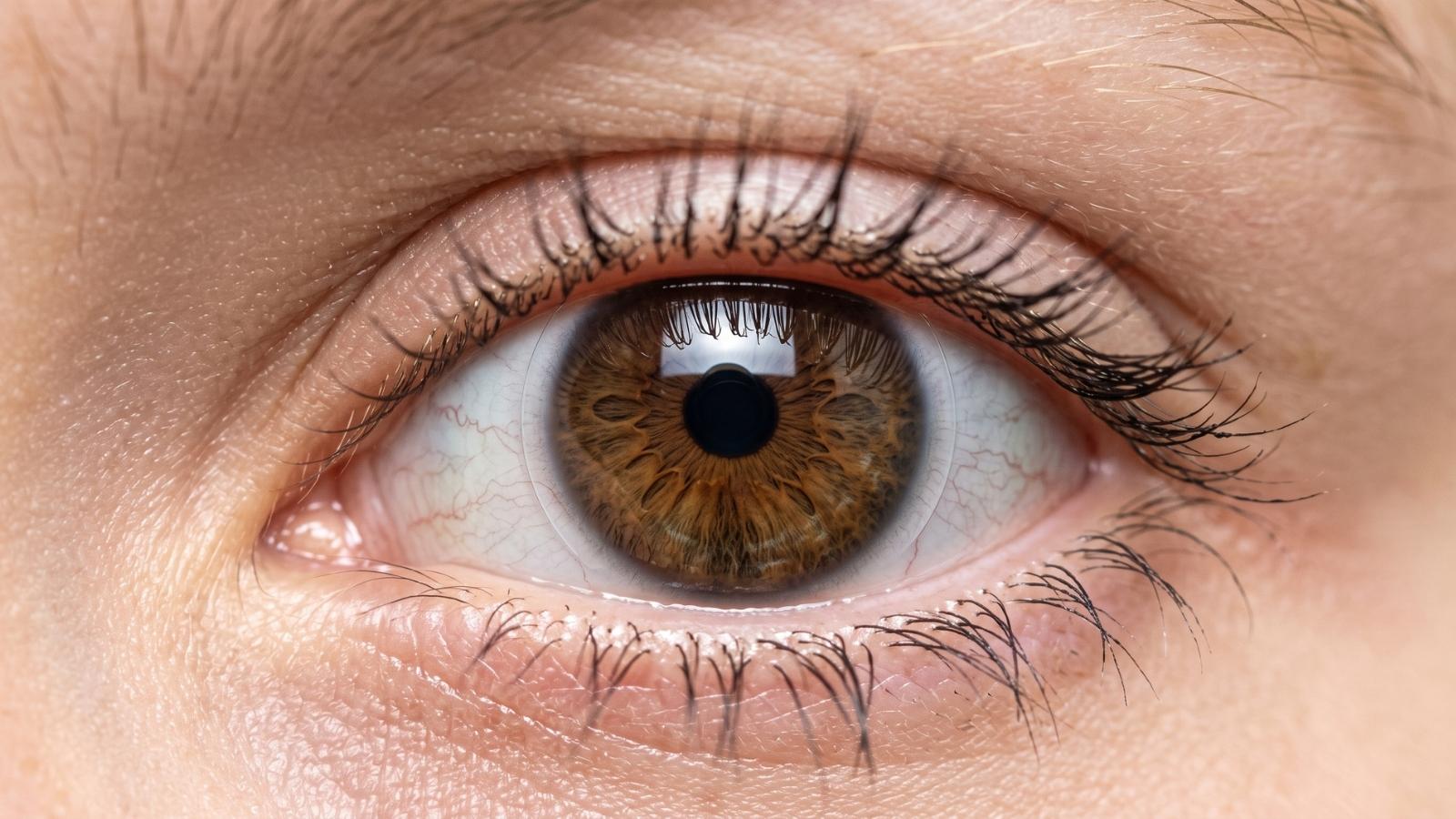
DIA stands for diameter. It measures the total width of the contact lens from one edge to the other, also in millimeters.
Diameter decides where the lens edge lands on your eye. Too small, and it won't cover your cornea properly. Too big, and it crowds the eye surface around it.
Typical Diameter Ranges
For soft contact lenses, diameter typically ranges from 13.8mm to 14.5mm, sized to cover your entire cornea. Some specialty and cosmetic lenses stretch that range from about 13.5mm to 15.0mm.
RGP lenses are much smaller because they sit on the cornea itself rather than draping past it. That smaller size is part of why rigid lenses take longer to get used to.
The HVID Rule of Thumb
Eye care professionals often start by measuring your horizontal visible iris diameter, or HVID. That's simply the width of the colored part of your eye.
The ideal lens diameter is around 2.0mm to 2.5mm larger than your HVID. That extra margin keeps the lens centered and stable on your eye.
Too Small vs. Too Large
Getting the diameter wrong affects both comfort and stability.
|
Issue |
Diameter Too Small |
Diameter Too Large |
|---|---|---|
|
Positioning |
Shifts out of place or rides too high or low |
Can sit too tightly |
|
Comfort |
Edge irritation, redness, discomfort |
Pressure on the surrounding eye surface |
|
Vision |
Unstable as the lens decenters |
Usually clear, but fit feels heavy |
|
Eye health |
Rubbing against the cornea |
Can press on blood vessels near the edge |
Why Colored Lenses Often Run Larger
Colored contact lenses (or "coloured contact lenses," as many UK brands spell it) often have larger diameters than clear lenses. The printed pattern needs to cover your whole iris, including the dark outer ring, for the color to look natural.
A wider lens also frames the iris, which can make your eyes look bigger and brighter. That's the idea behind our Contour collection, designed to give eyes a larger, more defined look.
How BC and DIA Work Together
Base curve and diameter are the two critical parameters that dictate how a lens fits. Neither works alone. Comfort relies on the combination.
What a Good Fit Looks Like
A lens that fits correctly behaves in a predictable way on your eye:
-
It centers over your cornea and stays there.
-
It moves slightly with each blink, then settles back into place.
-
It feels invisible after the first few minutes.
-
It delivers stable vision that doesn't blur when you blink.
That small, controlled movement matters more than most people realize. It lets fresh tears flow under the lens, carrying oxygen and flushing away debris.
How Doctors Fine-Tune a Fit
When a fit isn't quite right, your doctor adjusts one number or both. To loosen a tight lens, they may decrease the diameter or increase the base curve. To tighten a loose lens, they may do the opposite.
Diameter often gets adjusted first, since it plays a bigger role in how soft lenses fit.
Same Numbers, Different Fit
Here's a detail many wearers miss. Two lenses with the same base curve and diameter can still fit differently.
Lens material, thickness, edge design, and water content all change how a lens drapes over your eye. That's why you can't swap to a different lens brand just because the BC and DIA values match. Different brands need your eye care professional's approval first.
How to Read Your Contact Lens Box
Every contact lens box and prescription uses a set of abbreviations. Once you know them, the numbers stop looking like a secret code.
|
Abbreviation |
Stands For |
What It Tells You |
|---|---|---|
|
PWR / SPH / D |
Power / Sphere / Diopter |
Your vision correction strength |
|
BC |
Base curve |
How curved the back surface is |
|
DIA |
Diameter |
The lens's total width |
|
CYL / AXIS |
Cylinder / Axis |
Astigmatism correction (toric lenses only) |
|
Brand |
Lens brand |
The exact product prescribed |
A typical label might read "BC 8.6 DIA 14.5." That means a base curve of 8.6mm and a diameter of 14.5mm.
Why Your Prescription Includes BC and DIA
Your contact lens prescription is more than a vision number. When sellers verify it, the details sent to your prescriber include power, manufacturer, base curve, and diameter.
That's also why a glasses prescription can't be used to buy contacts. Glasses sit away from your eye. Contacts rest directly on it, so fit measurements are mandatory.
How Your Eye Doctor Measures Your Fit

You can't measure your own base curve and diameter at home. These precise measurements come from a contact lens fitting with your eye care professional.
What Happens During a Fitting
A standard contact lens fitting usually includes a few key steps:
-
Measuring corneal curvature with a keratometer or corneal topographer, which maps the shape of your eye surface in detail.
-
Measuring your HVID and pupil size to guide diameter selection.
-
Trying on trial lenses that match your likely BC and DIA values.
-
Checking the fit under a slit lamp microscope, watching how the lens moves, centers, and lags when you blink.
-
Adjusting the parameters if the lens is too tight or too loose.
Corneal topography is especially useful for people with astigmatism or irregular corneas, since it captures curvature across the entire eye rather than a single point.
The Lens Type Matters Too
Your doctor also chooses the right lens type for your eyes and lifestyle. Soft lenses dominate today, and daily disposables have become the most-fitted category. Globally, 45% of fits in 2023 were daily disposables, while only 10% were rigid lenses.
If you have astigmatism, your doctor may recommend toric lenses, which add cylinder and axis values to correct it.
Choosing Colored Lenses With the Right Fit
Colored lenses follow the same fit rules as clear ones. A gorgeous shade means nothing if the lens pinches, slides, or blurs your vision all day.
Check the Specs Before You Buy
Before you add any colored lens to your cart, compare its specs to your prescription.
-
Find the BC and DIA on the product page or box.
-
Compare them to your contact lens prescription.
-
Ask your eye doctor if the numbers don't match exactly.
-
Never guess. A lens that "looks close enough" can still fit poorly.
Reputable sellers make this easy. At Daring Eyes, Bella product pages list the base curve, diameter, water content, and material up front. Our Halloween lenses, for example, use an 8.6mm base curve and a 14.5mm diameter.
Match the Look to the Lens
Once the fit checks out, choose the look. Our Elite collection keeps things natural for everyday wear, while the One Day collection offers fresh daily disposables with no cleaning required.
New to colored lenses? Our beginner's guide to colored contact lenses and tips for choosing colored contact lenses walk you through the basics.
Know When to Stop Wearing Them
Even a well-chosen lens can fit poorly on your eye. Remove your lenses and contact your eye doctor if you notice:
-
Lenses that feel tight or leave a pressure mark
-
Blurred vision that worsens with blinking
-
Redness or aching that builds through the day
-
A lens that won't stay centered
Improper fitting isn't just uncomfortable. Over time, it can contribute to corneal ulcers, infections, and other vision problems. For more wear-time habits that protect your long-term eye health, see our guide on whether you can wear colored contacts every day.
Find Your Perfect Fit With Daring Eyes
Base curve and diameter may look like small print, but they shape every moment you wear contacts. The right values keep your lens centered, comfortable, and clear. The wrong ones turn a great lens into an all-day irritation.
Key takeaways:
-
Base curve measures the lens's back curvature. Lower numbers mean steeper lenses.
-
Diameter measures total width, usually 13.8mm to 14.5mm for soft lenses.
-
Both numbers work together and belong on your prescription.
-
Same BC and DIA doesn't guarantee the same fit across brands.
-
A professional fitting is the only reliable way to find your numbers.
At Daring Eyes, every Bella lens comes with clear, upfront specs, so you can compare them to your prescription before you buy. Bring your numbers, check with your eye doctor, and choose the shade that suits you. Comfort and color should always come together.
Frequently Asked Questions
Do base curve and diameter matter for contact lenses?
Yes. They control how a lens sits on your eye. The wrong values can cause discomfort, blurred vision, redness, and even corneal damage.
Should I get 8.4 or 8.6 base curve?
Choose whatever your eye doctor prescribes. An 8.4 is steeper for curvier corneas, while 8.6 is slightly flatter. Only a fitting determines which suits you.
Is there a big difference between 8.6 and 8.7 base curves?
Usually not. A 0.1mm difference is small, since soft lenses flex to your cornea. Still, confirm with your eye doctor before switching.
What happens if you wear contacts with the wrong base curve?
A steep lens feels tight and causes redness. A flat lens slides and blurs vision. Long-term, poor fit can damage your cornea.